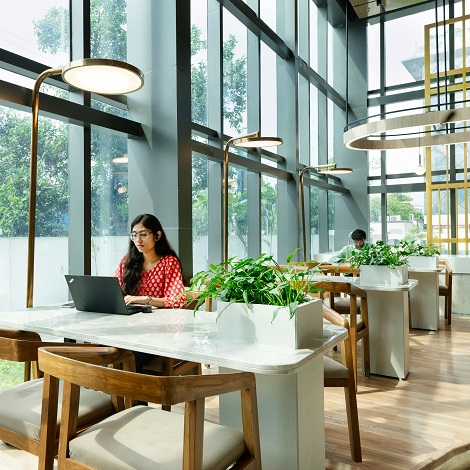
Earlier, coworking spaces used to be the go-to place for freelancers, solo entrepreneurs, and nascent startups that were in need of a cost-effective and flexible workplace. Now, this attitude has radically changed. Globally, and most notably in India, big companies are actively embracing coworking spaces as their real estate and human resource strategies. What started as an alternative approach is now getting established as a mainstream solution, fueled by shifting work patterns, economic realism, and the increasing need for agility.
The global pandemic acted as a major catalyst, challenging traditional office models and pushing companies to reconsider the relevance of rigid, long-term lease commitments. What we’re witnessing now is not a temporary experiment, but a long-term shift in how enterprises approach workspaces. As business needs become more dynamic, the workplace must evolve accordingly. Coworking spaces, with their built-in flexibility and plug-and-play infrastructure, have emerged as a strategic enabler for corporate growth.
Yet another driver of corporate uptake is cost-effectiveness. Coworking provides fully serviced office space that minimizes the amount of capital and operational costs associated with establishing and operating an office. From fast internet and security to fully equipped meeting spaces and hospitality-led front desks, all is taken care of. Corporates are relieved from having to deal with utility vendors, housekeeping staff, and IT infrastructure. This not only means direct cost savings but also allows firms to more easily allocate resources to strategic initiatives. Apart from economics, coworking spaces also improve employee experience—a high priority for most progressive companies. Today’s modern employees no longer wish to be relegated to traditional cubicles or dull office environments. They want choice, creativity, and connection. Coworking spaces deliver all of these by providing collaborative, nicely designed spaces that foster more productivity and well-being. With lounge access, breakout spaces, wellness initiatives, and community events, workers are made to feel more connected and energized. This has a direct correlation with retention, motivation, and innovation between teams.
Technologies also have a central role to play in making this transition possible. Coworking spaces nowadays are driven by intelligent technologies that make operations smooth from digital access controls and app bookings to real-time usage analytics and energy-saving systems. Corporates, particularly those with remote teams, value how seamlessly coworking providers can integrate with their digital workplace plans. This degree of tech-readiness again minimizes friction and allows companies to provide consistent employee experiences across offices.
What’s particularly encouraging is that this trend is no longer confined to Tier 1 cities. At Ofis Square, we’re seeing increasing demand from Tier 2 and Tier 3 markets, where companies are setting up satellite offices to support hybrid workforces. This decentralized approach allows businesses to tap into local talent, reduce urban migration, and operate more sustainably. Coworking facilities are now being viewed not just as real estate solutions, but as strategic, experience-driven spaces that contribute to broader goals such as employee wellness and business flexibility.
Corporate adoption of coworking is not a short-term response it is a long-term transformation in how we conceptualize work. As companies continue to reinvent themselves for a hybrid and very dynamic world, coworking facilities provide the infrastructure, flexibility, and culture needed to sustain this shift. At Ofis Square, we take pride in being at the vanguard of this transformation assisting businesses to reinvent their workspace strategies with confidence, creativity, and care.